
Understanding smart home automation Arizona is essential for making informed decisions. Smart home automation lets you control your home’s lighting, climate, security, audio, shades, and more from a single interface. For Arizona homeowners, automation is not just a convenience — it is a practical tool for managing extreme heat, reducing energy costs, and protecting your home.
This guide covers what smart home systems actually do, how the major platforms compare, what you should budget, and what matters specifically for homes in the Phoenix metro area.
What Does a Smart Home System Actually Control?
A professionally installed smart home system integrates multiple subsystems into one unified control layer. Here is what each subsystem does and why it matters.
Lighting Control
Smart lighting goes beyond screwing in a Wi-Fi bulb. A professional system replaces your standard switches and dimmers with intelligent keypads or smart switches that control every light in the house.
- Scene control: Press one button to set all lights in a room to a preset level. A “Movie” scene dims the family room, turns off the kitchen, and activates bias lighting behind the TV.
- Scheduling: Lights follow time-of-day schedules automatically. Exterior lights turn on at sunset, interior lights gradually brighten in the morning.
- Occupancy sensing: Lights turn off automatically in unoccupied rooms, reducing energy waste.
- Typical cost: $100 to $400 per switch/dimmer installed, depending on platform and finish.
Climate Control
Smart thermostats are the entry point, but a full automation system goes further by coordinating HVAC with other subsystems.
- Zone management: Control different areas of your home independently. Keep bedrooms at 74 degrees while letting unoccupied guest rooms float higher during summer.
- Shade integration: Motorized shades close automatically when west-facing windows get direct sun, reducing cooling load by 15% to 30%.
- Geofencing: The system adjusts temperature when you leave and pre-cools before you return.
- HVAC monitoring: Some platforms alert you when your system is running inefficiently or when a filter needs replacement.
Security and Surveillance
Smart security integrates cameras, door locks, sensors, and alarms into your automation system instead of running them as separate apps.
- Camera integration: View live feeds on any TV, touchscreen, or phone in the house.
- Smart locks: Lock and unlock doors remotely, create temporary codes for guests or service providers, and receive alerts when doors open.
- Sensor automation: A door sensor triggers the entryway lights, disarms the alarm, and adjusts the thermostat when you arrive home.
- Monitoring: Professional monitoring services can be layered on top of most platforms.
Motorized Shades and Window Treatments
In Arizona, motorized shades are one of the highest-value automation investments you can make.
- Sun tracking: Shades adjust automatically throughout the day based on sun position, protecting furniture from UV damage and reducing cooling costs.
- Privacy scheduling: Shades lower at dusk and open in the morning without you touching a button.
- Integration: Shades tie into scenes — a “Goodnight” scene closes all shades, locks doors, turns off lights, and sets the alarm.
- Typical cost: $500 to $2,000 per window, depending on shade type, size, and motor.
Whole-Home Audio and Video
A smart home system can distribute music and video to every room, controlled from a single interface.
- Multi-room audio: Play different music in different rooms, or group zones together for a party.
- TV control: Turn on any TV, switch inputs, and launch streaming apps from a touchscreen, remote, or voice command.
- Outdoor audio: Extend music to the patio, pool area, and backyard through weather-rated speakers.
- Intercom: Use ceiling speakers or touchscreens as a whole-home intercom system.
Pool and Outdoor Automation
This is where Arizona smart homes diverge from the rest of the country.
- Pool and spa control: Adjust water temperature, turn on jets, activate pool lights, and manage pump schedules from your phone.
- Landscape lighting: Automate trim lighting and landscape lights on schedules or scenes.
- Misting systems: Integrate patio misting with outdoor scenes — one tap activates misters, fans, music, and landscape lighting for an evening outside.
Smart Home Automation Platforms: Control4 vs Savant vs Crestron
The three dominant professional smart home platforms each serve a different segment of the market. All three require professional installation and programming.
| Feature | Control4 | Savant | Crestron |
|---|---|---|---|
| Best For | Mid-range to luxury residential | Luxury residential, Apple-centric users | Ultra-luxury residential & commercial |
| Starting Cost (whole home) | $5,000 – $15,000 | $15,000 – $30,000 | $25,000 – $60,000+ |
| User Interface | Touchscreens, remotes, app | Touchscreens, Apple TV integration, app | Touchscreens, remotes, app, custom panels |
| Ease of Use | Excellent — intuitive for most users | Excellent — familiar Apple-like design | Good — more powerful but steeper learning curve |
| Expandability | High — modular, easy to add devices | High — modular architecture | Very high — virtually unlimited scale |
| Lighting Product Line | Yes (Control4 lighting) | Yes (Savant lighting, acquired GE) | Yes (Crestron lighting) |
| Audio Product Line | Yes (Triad speakers, acquired) | Yes (Savant speakers) | Yes (Crestron speakers, origin acoustics partnership) |
| Third-Party Support | Broad — 35,000+ compatible devices | Growing — strong Apple ecosystem ties | Broad — enterprise-grade integrations |
| Remote Support | Yes — dealer can update remotely | Yes — dealer can update remotely | Yes — dealer can update remotely |
| Reliability | Very high | Very high | Very high — commercial-grade |
| Best Arizona Use Case | Most homes $500K-$2M+ | Luxury homes, Apple households | Custom estates, large commercial projects |
Control4: The Sweet Spot for Most Arizona Homes
Control4 offers the best balance of capability, usability, and cost. It is the most widely installed professional smart home platform in the United States and has the largest dealer network.
Strengths: Affordable entry point, excellent app and remote experience, huge device compatibility, and a well-supported dealer network. Control4’s Halo keypads and dimmers are attractive and functional. The system scales from a single-room setup to a 20,000+ square foot estate.
Limitations: Some advanced customization requires dealer involvement. The interface, while intuitive, is not as visually refined as Savant’s.
Savant: Premium Experience for Apple-Minded Homeowners
Savant positions itself as the luxury alternative with a heavy emphasis on design aesthetics and Apple ecosystem integration. Their system uses Apple TV as a room controller, which appeals to households already invested in Apple products.
Strengths: Beautiful interface design, Apple TV integration (HomeKit, AirPlay, Siri), excellent lighting products (acquired GE Lighting), and a strong focus on energy management through their Savant Power modules.
Limitations: Higher price point than Control4, smaller dealer network, and fewer third-party integrations. Best suited for new construction or major renovations where the full Savant ecosystem can be deployed.
Crestron: Enterprise-Grade for Large Estates and Commercial
Crestron is the most powerful and most expensive platform. It dominates commercial installations and ultra-luxury residential projects where no compromise is acceptable.
Strengths: Unmatched processing power, handles extremely large and complex systems, commercial-grade reliability, and the most customizable interface. If you need to control 200+ lighting loads, multiple theaters, a commercial-grade security system, and an elevator, Crestron is the platform.
Limitations: Highest cost, longest programming timelines, and the most dealer-dependent for changes. A simple scene adjustment may require a service call. Best suited for homes over 8,000 square feet or mixed residential/commercial properties.
Smart Home Automation: DIY vs Professional Installation
What DIY Can Do Well
Consumer-grade smart home products (Google Home, Amazon Alexa, Apple HomeKit, Lutron Caseta) are genuinely useful for individual tasks:
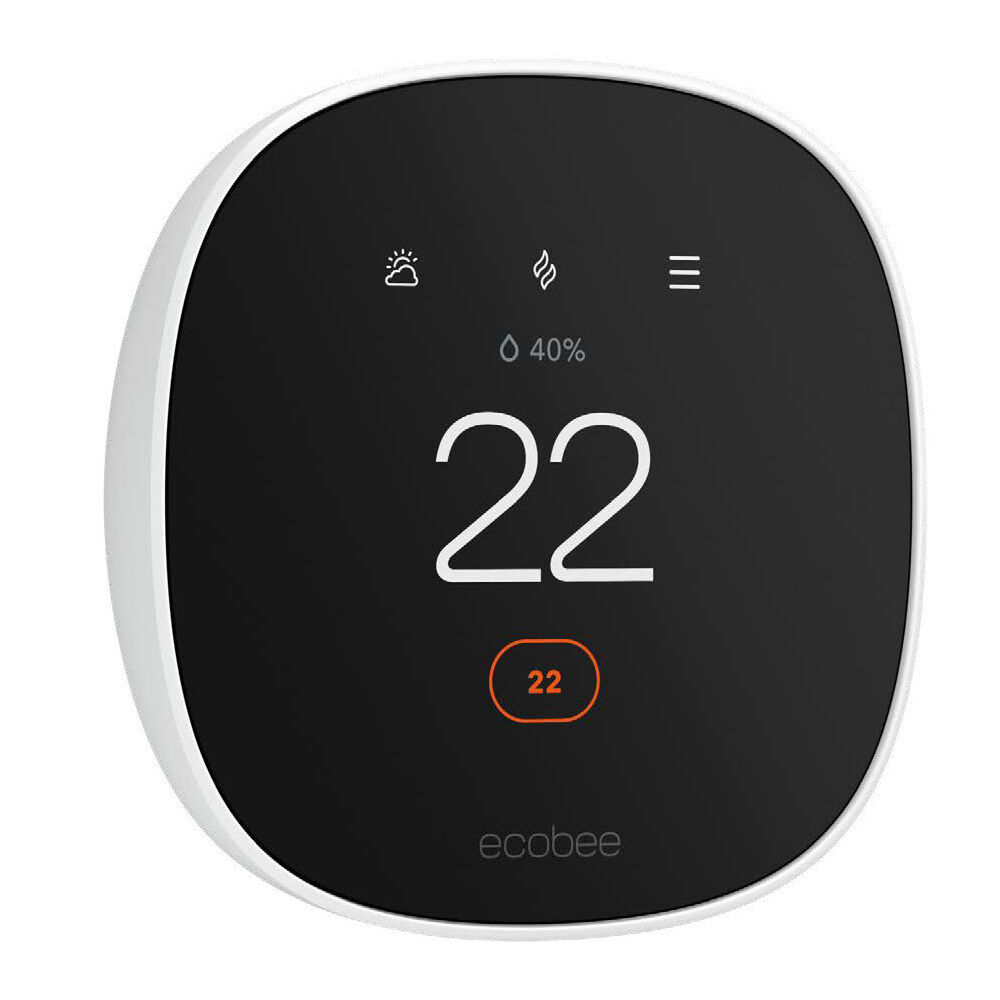
- Smart thermostats (Ecobee, Nest): $150 to $300 installed
- Smart door locks (Yale, Schlage): $200 to $400 each
- Smart lighting (Lutron Caseta, Philips Hue): $50 to $150 per switch
- Video doorbells (Ring, Google Nest): $150 to $350
Total DIY smart home cost: $1,000 to $5,000 for a well-equipped house.
Where DIY Falls Short
- Integration: Each device runs on its own app. You end up managing 6 to 10 apps instead of one unified system.
- Reliability: Wi-Fi-dependent devices drop off the network, especially in larger Arizona homes with stucco walls that attenuate wireless signals.
- Automation depth: Consumer platforms offer basic routines but cannot execute complex conditional logic (e.g., “if the pool temperature exceeds 90 degrees and anyone is home, turn on the pool chiller and send a notification”).
- Scalability: A house with 50+ smart devices on consumer Wi-Fi creates network congestion that degrades performance for everything.
- Support: When something breaks, you are your own tech support.
When to Go Professional
Invest in a professional system if any of the following apply:
- You want a single interface for everything in your home
- Your home is over 2,500 square feet
- You have more than 20 devices you want to automate
- You want motorized shades, distributed audio, or a home theater integrated into the system
- You value reliability and are willing to pay for it
- You are building a new home and want to wire for automation during construction
Arizona-Specific Smart Home Considerations
Extreme Heat Management
Arizona summers with 110-degree-plus days make climate automation a functional necessity, not a luxury.
- Smart thermostats save 10% to 15% on cooling costs through scheduling and geofencing, but a professional system with shade integration and zone control saves 20% to 30%.
- Pre-cooling schedules run your AC harder during off-peak electricity hours (before 3 PM) and coast during peak rate hours (3 PM to 8 PM), saving hundreds per year with SRP or APS time-of-use plans.
- Shade automation on west- and south-facing windows is the single highest-ROI smart home investment in Arizona.
Pool Automation
Most Arizona homes have pools, and smart pool control is one of the most-used features of any automation system.
- Control water temperature, filtration schedules, and lighting from your phone
- Automate pump schedules to run during off-peak electricity hours
- Receive alerts for equipment malfunctions or abnormal water temperature
- Integration cost: $500 to $2,000 on top of the base automation system, depending on pool equipment compatibility
Solar Integration
If you have rooftop solar (and many Arizona homes do), a smart home system can optimize energy usage around your solar production.
- Monitor real-time solar production and consumption
- Shift heavy loads (pool pump, EV charging, pre-cooling) to peak solar production hours
- Savant’s Power module offers particularly strong solar monitoring and energy management
- Battery storage systems (Tesla Powerwall, Enphase) can be integrated for peak shaving
Dust and Air Quality
Arizona’s dust storms (haboobs) and construction dust make air quality monitoring valuable.
- Smart air purifiers activate automatically when sensors detect elevated particulate levels
- HVAC systems can switch to recirculation mode during dust events
- Some platforms integrate air quality data into the home dashboard
Stucco Walls and Wi-Fi
Arizona homes built with stucco and wire lath create a partial Faraday cage effect that weakens Wi-Fi signals between rooms.
- Professional-grade networking (Araknis, Access Networks, Ruckus) is strongly recommended for any smart home with more than 10 devices.
- Budget $1,000 to $4,000 for a properly designed home network with enterprise-grade access points.
- Wired backbone connections (Ethernet to each access point) are essential. Mesh systems help but underperform wired infrastructure in stucco homes.
What to Budget for a Smart Home in Arizona
| Scope | Cost Range | What Is Included |
|---|---|---|
| Starter (1-2 rooms) | $5,000 – $10,000 | Lighting control, smart thermostat, basic security, 1-2 room audio |
| Mid-Range (whole home) | $10,000 – $35,000 | Whole-home lighting, climate, security, shades (partial), multi-room audio, pool control |
| Luxury (whole home) | $35,000 – $75,000 | Full Control4/Savant system, all shades motorized, distributed AV, home theater, advanced security |
| Ultra-Luxury (estate) | $75,000 – $150,000+ | Crestron or Savant, every subsystem integrated, multiple theaters, outdoor entertainment, full security |
These ranges include equipment, programming, and installation labor. Annual service plans for remote support and software updates typically add $500 to $2,000 per year.
How to Get Started
The best starting point is a professional consultation where an integrator evaluates your home, discusses your priorities, and provides a phased plan if budget is a concern.
A good integrator will:
- Walk your home and assess room sizes, window exposure, existing wiring, and network infrastructure
- Ask about your daily routines and pain points
- Recommend a platform based on your needs and budget — not just the most expensive option
- Provide a detailed proposal with line-item pricing
- Offer a phased approach so you can start with the highest-impact subsystems and expand later
Schedule Your Free Smart Home Consultation
Trident Integration has been designing and installing smart home systems across the Phoenix metro area since 2004. We are authorized dealers for Control4, Savant, and other leading platforms, and we specialize in systems built for Arizona’s unique climate and lifestyle.
Whether you are automating a single room or building a fully integrated smart estate, we will design a system that fits your life and your budget.
Call Trident Integration at (480) 658-0504 or schedule a free consultation online to get started.
For expert smart home automation arizona services, trust the professionals at Trident Integration with over 20 years of experience.
Professional smart home automation gives you single-app control over every system in your house.
The right smart home automation platform depends on your budget, home size, and desired features.